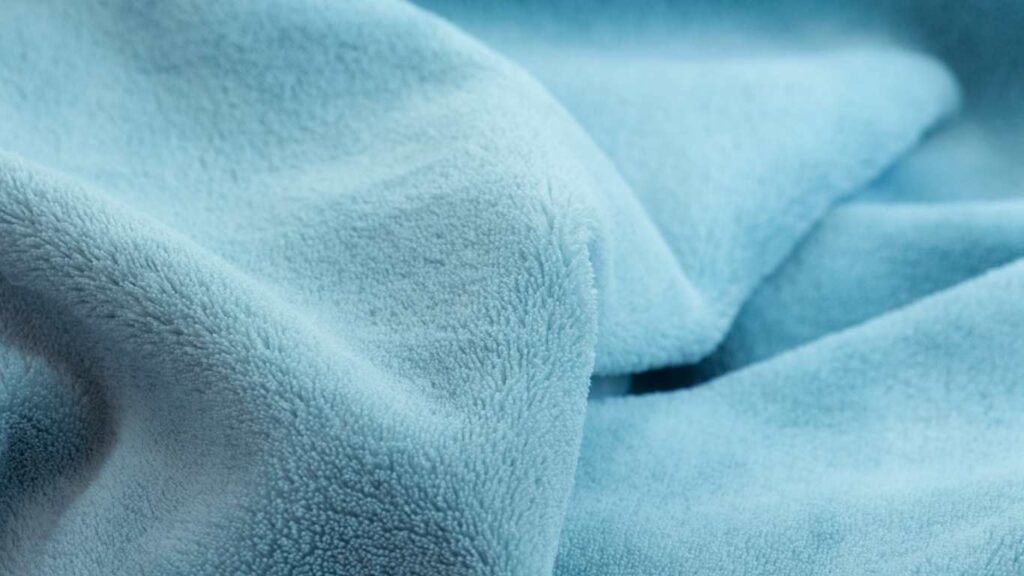
Most parents hear “cashmere” and think of expensive sweaters. But when it comes to baby clothing and blankets, cashmere has some real, measurable advantages over other fabrics. It is softer, lighter, and handles temperature changes better than most alternatives. Here is what actually makes it different and why parents keep coming back to it.
Where Cashmere Comes From
Cashmere is not a type of wool in the traditional sense. It comes from the soft undercoat of cashmere goats, a fine layer of insulating fiber that grows beneath the coarser outer coat. These goats are raised primarily in Mongolia, northern China, and parts of India and Iran, where cold winters push the animals to grow an especially dense undercoat each year.
The fiber is collected by combing the goats during their spring molting season. Each goat produces a small amount of usable cashmere per year, typically around 150 to 200 grams. That limited yield is one reason cashmere costs more than cotton or standard wool. When you buy a cashmere baby blanket, you are paying for a fiber that takes a full year to grow and a careful harvesting process to collect.
Why Cashmere Feels So Soft
Softness in fabric comes down to fiber diameter. The thinner the fiber, the softer the material feels against skin. Standard sheep’s wool fibers measure around 25 to 30 microns in diameter. Cashmere fibers fall between 15 and 19 microns, which makes them noticeably finer. For context, a human hair is roughly 50 to 70 microns thick.
That difference matters more for babies than it does for adults. Baby skin is thinner and more reactive. Coarser fibers can bend and poke into skin, creating that familiar scratchy feeling that makes babies fussy and causes redness. Cashmere fibers are fine enough to lie flat against skin without that irritation, which is why cashmere garments feel smooth rather than prickly.
Hypoallergenic Properties
Cashmere is considered hypoallergenic for a few reasons. The fibers are smooth and fine, so they do not irritate skin the way rougher textiles can. Cashmere also contains very little lanolin compared to standard wool. Lanolin is a natural wax found in sheep’s wool that triggers allergic reactions in some people. Because cashmere goat undercoat produces less of it, and because the fiber goes through extensive cleaning during processing, the finished fabric carries a lower risk of causing skin reactions.
For babies with eczema or generally sensitive skin, this matters. Parents who have tried multiple fabrics and still see redness or irritation from wool blends often find that cashmere does not cause the same problems. It is not a guarantee for every baby, but the risk is lower than with most wool products.
Temperature Regulation
One of the practical reasons cashmere works well for babies is how it handles heat. Cashmere fibers contain tiny air pockets that trap warmth when the surrounding temperature drops and release heat when things warm up. This means a cashmere blanket or sleepwear can help keep a baby warm without the overheating risk that comes with synthetic fleece or heavy cotton layers.
Babies cannot regulate their own body temperature as well as adults can, so the fabric around them has a bigger effect on their comfort than most parents expect. Cashmere’s breathability and moisture-wicking ability help prevent that damp, clammy feeling that happens when a baby overheats under a heavy blanket. If you are also thinking about the room itself, we wrote a separate piece on keeping your nursery at a comfortable temperature that covers how your home’s structure and thermostat setup affect the equation.
Natural Antibacterial Properties
Cashmere has natural antibacterial properties, which means it resists odor buildup and does not need to be washed after every single use. Most cashmere care guides recommend washing every four to five wears, not after each one. For a fabric that touches baby skin regularly, this is useful because frequent washing wears down fibers faster and can leave detergent residue that irritates sensitive skin.
The antibacterial quality comes from the structure of the fiber itself and from keratin, the protein that makes up cashmere. It naturally inhibits bacterial growth on the fabric’s surface, which keeps garments fresher between washes. If you want the specifics on washing and storing cashmere so it lasts, we cover all of that in our guide on how to care for cashmere baby products.
Is the Cost Worth It?
Cashmere is expensive. A single cashmere baby blanket can cost several times more than a cotton or fleece equivalent. That price reflects the limited supply of raw fiber, the labor-intensive harvesting process, and the longer manufacturing chain. Whether it is worth it depends on what you value.
If softness and skin compatibility are top priorities, cashmere delivers on both in ways that cheaper fabrics do not match. If you plan to use baby items across multiple children or pass them along to family, cashmere holds up well over time with proper care. A quality cashmere blanket that lasts through two or three babies is not the same purchase as a cotton blanket you replace every few months.
For parents working within a budget, cashmere does not need to be all or nothing. A single cashmere blanket or one good sleepwear piece can make a noticeable difference for a baby who reacts to other fabrics, without requiring a full wardrobe overhaul. You can explore more about this fabric and the topics we cover across the site on our home page.