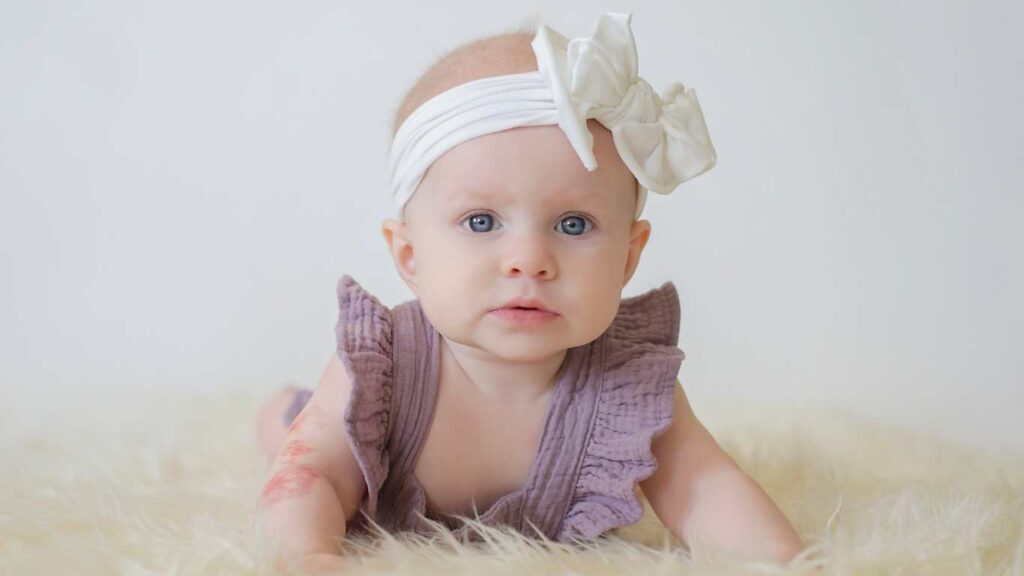
If you have heard the word “layette” and had to look it up, you are not alone. A layette is the first collection of clothing and basics you put together for a newborn before they arrive. Think of it as a starter wardrobe, covering everything from bodysuits and sleepwear to hats, socks, and a blanket.
The tricky part is not knowing what a layette includes. It is knowing how much to buy, what sizes to get, and which fabric details actually matter once you are changing a baby four times a day.
What Goes Into a Layette
A basic layette covers the clothing your baby will wear and use in the first few weeks to months. Here is what most parents end up reaching for regularly.
Bodysuits or onesies are the foundation. Most newborns go through several a day between spit-up and diaper leaks. Aim for six to eight, and look for styles with envelope necklines or side snaps that make dressing a floppy newborn less stressful.
Sleepwear matters more than you might expect, since newborns sleep the majority of the day. Footed pajamas with a front zipper let you handle middle-of-the-night diaper changes without fully undressing the baby.
Pants or leggings with soft waistbands work well for layering over bodysuits. Three to five pairs is usually enough to start.
Hats and socks are easy to overlook but useful, especially in cooler weather. Newborns lose heat through their heads and feet faster than adults do. Two hats and four to six pairs of socks will keep you covered.
Scratch mittens are worth having for the first few weeks, since newborns scratch their own faces more often than you would expect.
A blanket or two rounds out the set. Receiving blankets work for swaddling, tummy time, and general warmth. Keep in mind that loose blankets are not recommended in the crib for babies under 12 months, so these are for supervised use only. If you are comparing blanket fabrics, our guide to choosing the right blanket material breaks down the options.
Sizing: Buy Less Than You Think
One of the most common first-time parent mistakes is over-buying in the newborn size. Babies grow fast, and many outgrow newborn-labeled clothing in a matter of weeks. Some larger newborns skip the size entirely.
A practical approach: buy a small number of newborn-sized items (four to five bodysuits, two to three sleepers) and stock up more in the 0-3 month range. You can always pick up more newborn pieces after the baby arrives if they turn out to be smaller than expected, but sitting on a drawer full of clothes that no longer fit is frustrating.
For the same reason, it helps to have a handful of items in the 3-6 month size ready to go. Babies do not send advance notice before a growth spurt, and having the next size on hand means one less late-night errand.
What to Look for on the Label
Fabric quality is worth paying attention to, even when buying basics. Baby skin is thinner and more sensitive than adult skin, and rough seams, scratchy tags, or stiff fabric can cause irritation quickly.
Look for soft, breathable materials like cotton or bamboo blends. Check that seams are flat or finished so they do not rub against skin. Snap or zipper closures are easier to manage than buttons, especially when you are half-awake at 3 a.m. and working by the glow of a nightlight.
How Cashmere Compares
Cashmere layette pieces work differently from standard cotton in a few noticeable ways. The fibers are finer than sheep’s wool, which means they sit comfortably against a baby’s skin without causing the kind of itching or redness that coarser fabrics can trigger. Parents with babies who have eczema or sensitive skin often look to cashmere for this reason.
Cashmere also adjusts to body temperature. It holds warmth when the room cools down and releases heat when things warm up, which makes it practical for hats, blankets, and layering pieces that stay on for long stretches.
The tradeoff is cost and care. Cashmere items run higher than cotton, and they need gentler handling when it comes to washing and storage. But quality cashmere holds up well over time. With proper care, a cashmere blanket or sweater can last through more than one child, which tends to offset the initial price.
Layettes as Gifts
If you are shopping for a baby shower or buying for expecting parents, a layette set is one of the more practical choices. Pre-assembled sets typically include a mix of bodysuits, sleepwear, a hat, and a blanket, which saves the gift-giver from guessing which items the parents still need.
Parents who already have a layette still appreciate extra bodysuits and sleepers in the 0-3 or 3-6 month range. Those items get used hard and washed constantly, so backups always find a purpose.
For more on what we cover across the site, from cashmere care and nursery setup to product safety, head back to our home page.