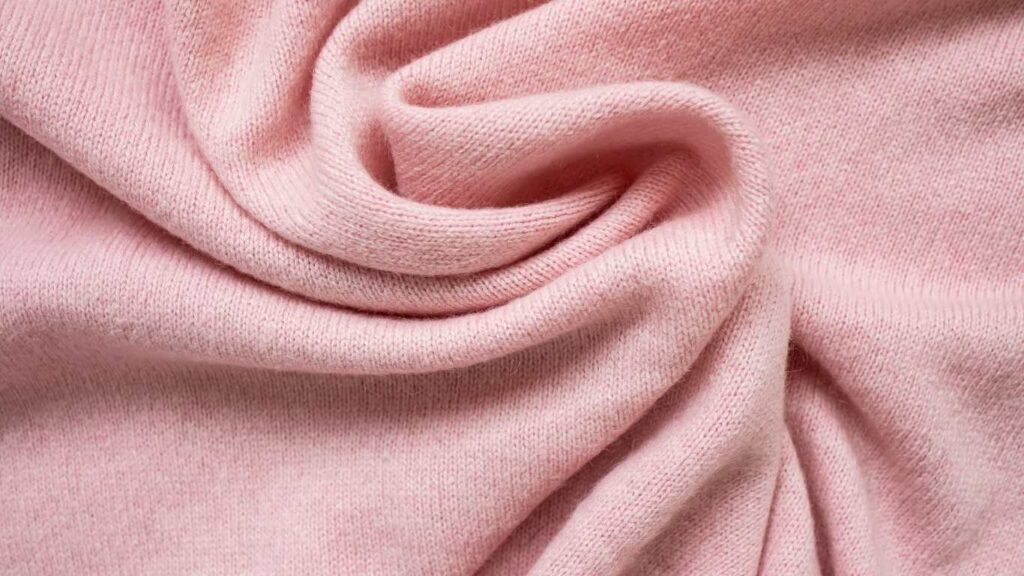
Cashmere is one of the softest fabrics you can put against a baby’s skin, but it does ask for a little more attention than cotton or polyester. The good news is that the care routine is simpler than most people assume. A few basic habits around washing, drying, and storage are enough to keep cashmere baby clothes and blankets in good shape for years. If you have read about why cashmere is worth caring for properly, you already know the fiber is expensive to produce and slow to replace. Taking care of it well is how you get the most out of that investment.
How Often to Wash
Cashmere does not need to be washed after every use. The fiber has natural antibacterial properties that resist odor buildup, so most items can go four to five wears between washes. Overwashing actually does more harm than good. Each wash cycle weakens the fibers slightly, and detergent residue can build up and irritate a baby’s skin over time. If an item picks up a small stain, spot-treat it with a dab of baby shampoo and cool water rather than running a full wash.
Hand Washing
Hand washing is the safest cleaning method for cashmere. Fill a sink or basin with cool or lukewarm water (never hot, which causes shrinking) and add a small amount of mild detergent. Baby shampoo works well and is gentle enough that it will not strip the fibers. Submerge the item and let it soak for about five minutes, pressing gently to work the soapy water through the fabric.
When you are ready to rinse, drain the basin and refill with clean cool water. Swish the item through to remove soap, and repeat if needed until the water runs clear. Press the excess water out with your hands or by rolling the item in a clean towel. Do not wring or twist it. Wringing stretches the fibers out of shape, and the damage is difficult to reverse once the item dries.
Machine Washing
If hand washing is not realistic every time, a washing machine can work as long as you take a few precautions. Place the cashmere item inside a mesh laundry bag to protect it from friction with other clothes. Use the delicate or gentle cycle, set the water to cold, and select the lowest spin speed your machine allows. Pair it only with other lightweight items. Heavier fabrics like denim or towels can rough up cashmere fibers during the wash cycle.
Skip the dryer entirely. The heat from a tumble dryer shrinks cashmere quickly and can felt the fibers, leaving the fabric stiff and coarse. Instead, pull the item out of the machine as soon as the cycle ends and lay it flat to air dry.
Drying
Whether you wash by hand or machine, the drying process is the same. Lay the item flat on a clean, dry towel, reshape it gently with your hands, and let it air dry at room temperature. Keep it away from direct sunlight, radiators, and heating vents. Heat and UV exposure both damage cashmere fibers over time.
If you are in a hurry, you can roll the item inside a towel and press down to absorb more water before laying it out flat. This speeds up drying without putting any stress on the fabric.
Storage
Cashmere should always be folded, never hung. Hangers stretch the shoulders and neckline out of shape, especially when the fabric is heavier after washing. Fold items neatly and store them in a breathable cotton bag or a cloth-lined drawer. Avoid plastic containers and sealed bags. Cashmere needs air circulation to stay fresh, and trapped moisture can lead to mildew.
Moths are the other storage concern. Cashmere is a protein-based fiber (made of keratin, the same protein in human hair), and moths are attracted to it. Cedar balls or lavender sachets placed in the storage area help deter them without exposing baby items to chemical mothballs. Make sure items are clean before storing them for the season, since body oils and residue attract insects faster than clean fabric does.
Dealing with Pilling
Pilling happens to all cashmere, even expensive pieces. Those small fiber balls form in areas where friction occurs, like under the arms or along the front of a blanket where it gets rubbed and bunched. Pilling does not mean the item is low quality. It is a normal part of how natural fibers behave.
A fabric shaver or cashmere comb removes pills quickly without damaging the surface. Run it lightly over the affected area in one direction. A lint roller works for minor pilling between deeper cleanings. Over time, most cashmere actually pills less as the looser surface fibers work themselves out.
Making It Last
A well-cared-for cashmere baby blanket or sleepwear piece can last through multiple children. That durability is part of what offsets the higher upfront cost. Parents who plan to reuse items across siblings or pass them along to family get significantly more value from cashmere than from cheaper fabrics that wear out in a few months.
How you manage the room where your baby sleeps also plays a role in how long textiles hold up. Stable temperatures and moderate humidity reduce wear on natural fibers. We cover the details on maintaining a stable nursery temperature in a separate guide that is worth reading alongside this one.
For more on the topics we cover across the site, visit our home page.